
Law Commission recommends new safeguards to enable wider reuse of old graves
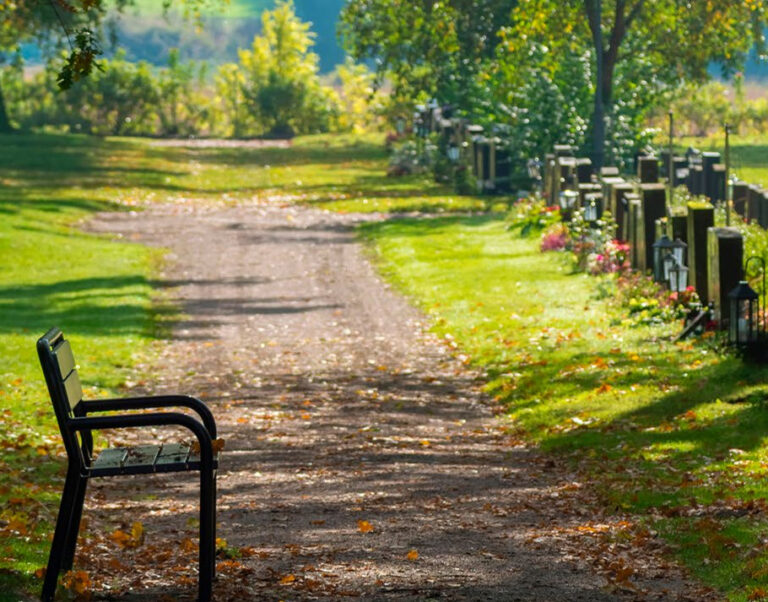
The Law Commission has published the final report of its review of burial and cremation law.
Proposals published by the Law Commission today would mean graves that are over a century old could be reused in more burial grounds across England and Wales. Grave reuse is already permitted in London council cemeteries, Church of England churchyards, and some cemeteries with their own specific laws. The new reforms would extend powers to other burial grounds, but only if they are approved by Government following local consultation – and with new, more stringent safeguards for graves.
The Law Commission’s final report on burial and cremation, with recommendations to the Government follows a 2024/25 public consultation and recommends modernising laws, parts of which have remained largely unchanged for over 170 years. The recommendations address a growing shortage of burial space whilst ensuring robust safeguards for grieving families.
The report also recommends that Government makes wide-ranging reforms to the way cemeteries and crematoria are run. These changes would give bereaved families clearer rights and more comprehensive protections for relatives’ graves.
Addressing burial space shortages
The Commission recognises that reuse of old graves is a sensitive issue. That is why it recommends two levels of strict safeguards. First, the burial ground operator would have to consult locally on its plans, and then apply to Government to get reuse powers. Secondly, there would be enhanced safeguards before any individual grave could be reused.
Enhanced protections
Protections for each grave would be enhanced compared to current grave reuse laws.
- No grave can be reused until 100 years after the last burial. That protects against reuse within living memory, and is increased from 75 years in the current law.
- Relatives have a year within which they can object to reuse, increased from six months. A relative’s objection stops reuse for a further 25 years.
- There would be protections against reuse of Commonwealth war graves. For the first time, post-war military graves for which the Ministry of Defence is responsible would also be protected.
Strengthening safeguards in burial law
The report also makes recommendations to strengthen safeguards for people who bury their family and friends. For the first time there would be consistent rules on:
- How bodies must be buried, requiring a minimum of two feet of soil above the coffin. Currently there is no law at all on this in many burial grounds. This depth reflects current practice in many burial grounds.
- Maintenance of burial grounds, including requirements on private cemeteries for the first time.
- How grave rights are issued and how burial records are kept.
Other recommendations would also:
- Allow centuries-old burial grounds closed under Victorian laws to be reopened, with the potential for local parish churchyards to be used for burials again.
- Address risks relating to burials on private land, for example in back gardens or farms.
- Update the offence of unlawful exhumation (removing or disturbing remains), and make the law on building on disused burial grounds more consistent.
Cremation reforms
Currently, funeral directors hold hundreds of thousands of sets of uncollected ashes. The report recommends that it should be lawful for funeral directors to return ashes to crematoria provided the person who organised the cremation is given an opportunity to collect them.
The Commission’s recommendations would also:
- Ensure transparency in relation to the rise of direct cremation.
- Prohibit unidentified remains from being cremated.
- Impose new requirements for identity checks to ensure the correct body is cremated.
- Restrict joint cremation to circumstances where both applicants give their written consent.
The Government will now consider the recommendations and decide whether to change the law. A second report on new funerary methods will follow shortly.